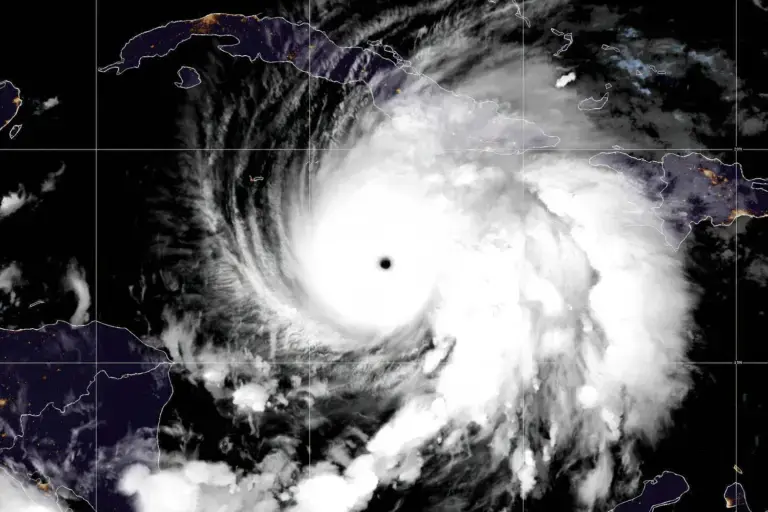
Mother Accused of Forcing Daughter and Grandchild Out During Hurricane Melissa — Explained
A shocking story from Jamaica has taken over TikTok, sparking debates about family conflict, mental health, and social media exposure. The viral video shows a woman claiming she and her young child were forced out of their home during Hurricane Melissa — by her own mother.
Let’s break down what happened, what both sides are saying, and why this story has captured so much attention online.
The Viral TikTok: “They Put Me Out in the Storm”
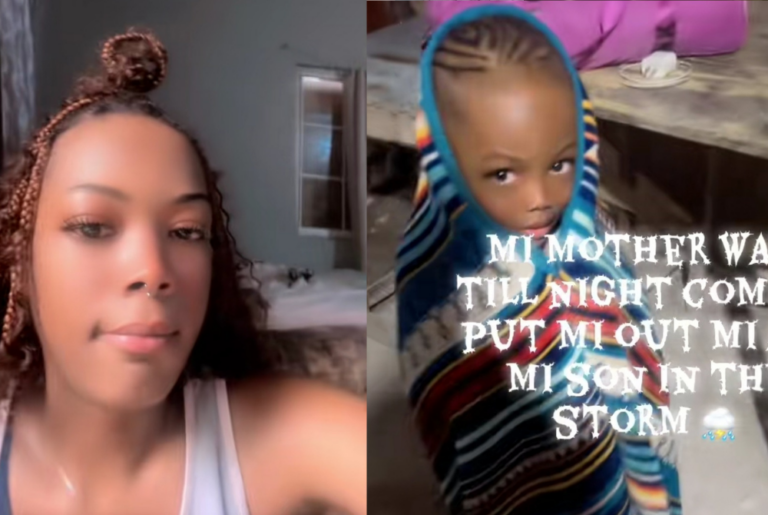
A Jamaican TikTok user, known as @librabadnesssabbieslim (real name Abbie), posted several emotional videos showing her walking through rain with her young son wrapped in a blanket.
In one clip, she tearfully said, “Dem put mi out inna di storm, mi and mi baby.”
Her trembling voice and visible distress quickly spread across social media, where users expressed shock and sympathy.
Abbie also said she felt unsafe, claiming, “Everyone wah kill me,” and tagged her mother in the caption, calling her “wicked.”
The Mother’s Response: “She’s Lying and Needs Prayer”
Abbie’s mother quickly responded in the comments, denying the accusations. She claimed her daughter was the one who started a physical altercation with her brothers and that she only locked Abbie out to stop the fight.
In her own words:
“She is a wicked girl. A me a the mother — how would I do that? But God a God. Girl a fite she want fite her two brothers in the house and I put her outside and lock my son inside to stop the fight.”
The mother further alleged that Abbie took her child and left on her own, calling her “mad” and saying she needed prayer rather than blame.
Abbie’s Side of the Story: “I Was Forced Out, Not Fighting”
Abbie later went live on TikTok to counter her mother’s claims. She insisted that she had been emotionally bullied by family members for years and that this confrontation during Hurricane Melissa was her breaking point.
She claimed her mother told her to leave, despite knowing a storm was approaching, and only gave her a small blanket to shield her baby from the rain.
Abbie also alleged her brother chased her with a knife, which forced her to defend herself. She described the incident as terrifying and said she no longer feels safe returning home.
Deeper Conflict: Jealousy and “Badmind” Allegations
The feud didn’t stop at the storm incident. Abbie accused her family of destroying her poultry business, claiming they killed around 100 of her chickens out of jealousy — known in Jamaican culture as “badmind.”
She said this ongoing pattern of sabotage and family hostility left her emotionally exhausted and determined to cut ties permanently.
Public Reaction: Empathy, Division, and Concern
TikTok users have been divided.
- Some expressed deep sympathy for Abbie, criticizing her mother’s alleged decision to put her out during a hurricane.
- Others questioned Abbie’s version, noting inconsistencies and suggesting there might be mental health issues or family misunderstandings involved.
The videos have opened a wider conversation about:
- How family disputes play out online
- The impact of going viral during personal crises
- And how social media shapes public judgment before all facts are known
The Bigger Picture: When Family Conflicts Go Public
This story is a reminder of how quickly private pain can become public spectacle in the age of TikTok.
While the truth behind Abbie’s claims remains unclear, the viral moment highlights deeper issues in many families — unspoken resentment, lack of communication, and the struggle to seek help before situations explode.
As viewers, it’s important to remember that what we see online is often just one side of the story.
Conclusion: A Family Torn by Storms — Both Real and Emotional
The Hurricane Melissa drama between Abbie and her mother shows how real-life storms can mirror emotional ones. Whether Abbie’s claims are entirely true or not, her viral cry for help has shed light on the importance of mental health, empathy, and family support — especially in times of crisis.
Until more details surface, the public remains divided — and Abbie’s story continues to raise questions about how far is too far when turning personal pain into viral content.