
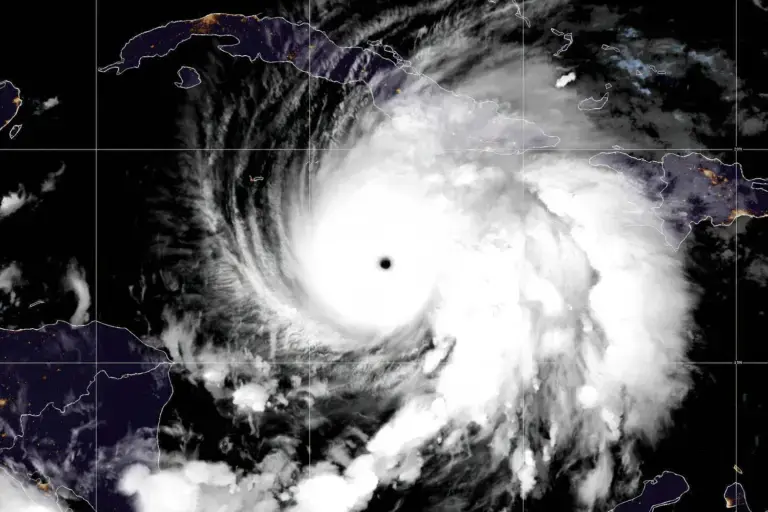
Category Five Hurricane Melissa’s Death Toll Rises as It Nears Jamaica
The Caribbean is bracing for devastation as Hurricane Melissa, a powerful Category Five cyclone, edges closer to Jamaica. With sustained winds surpassing 157 mph, Melissa has already claimed at least seven lives across the region — marking it as the most powerful and deadly storm of the year so far.
Let’s break down what’s happening, how it’s affecting Jamaica and neighboring islands, and why experts are calling this a potentially historic event.
What We Know So Far: The Human Toll
As of now, officials have confirmed seven deaths linked to Hurricane Melissa’s impact:
- Jamaica: 3 fatalities and 13 injuries
- Haiti: 3 fatalities
- Dominican Republic: 1 fatality
In Jamaica, all reported deaths occurred during storm preparations. Two individuals were tragically killed while cutting trees ahead of the hurricane, while another was electrocuted as the storm’s outer bands began to lash the island.
These incidents serve as a grim reminder of the dangers faced even before a major hurricane makes landfall.
Jamaica on High Alert: Winds, Floods, and Fear
With Hurricane Melissa expected to make landfall on October 28, residents across Kingston, Montego Bay, and coastal towns are already feeling the storm’s early effects. Heavy rain, flooding, and destructive winds have triggered widespread panic.
Authorities have issued evacuation orders for low-lying and flood-prone areas, yet many residents have chosen to stay home — either out of fear of looting, attachment to their property, or lack of resources to relocate.
Forecasters predict storm surges up to 13 feet, capable of submerging entire coastal communities and causing long-term damage to infrastructure, agriculture, and tourism.
“This Could Be Historic,” Officials Warn
Meteorologists and government officials have labeled Hurricane Melissa as potentially historic, warning that it could become the strongest hurricane to make direct landfall in Jamaica since official tracking began.
The Jamaica Defence Force and national disaster agencies have been deployed across the island, prepared to respond once it is safe to do so.
Prime Minister Andrew Holness urged citizens to remain calm but vigilant, emphasizing the “exceptional danger” Melissa poses — not just from high winds and rain, but from its slow movement, which could prolong destruction for hours or even days.
“This storm is unlike others. We must stay alert, protect our families, and follow official guidance,” Holness said in a recent address.
Why Melissa Is So Dangerous
Melissa’s strength comes not only from her intense winds but also from her slow pace. Slow-moving hurricanes are particularly destructive because they:
- Dump massive amounts of rainfall in one area, causing flash floods and landslides.
- Maintain high winds over structures for longer, increasing structural damage.
- Disrupt power and communication lines for extended periods.
The Caribbean Disaster Emergency Management Agency (CDEMA) has warned that Melissa could cause widespread power outages, road blockages, and damage to housing — especially in coastal and hillside communities.
What Happens After Jamaica
After passing Jamaica, Hurricane Melissa is expected to maintain its major hurricane status as it moves toward Cuba and the Bahamas. Both nations have already issued hurricane watches and warnings, urging citizens to prepare for strong winds, storm surges, and possible flooding.
Meteorologists are monitoring whether Melissa could weaken slightly after crossing Jamaica’s mountainous terrain, but as of now, forecasts show continued high intensity.
How Locals Are Preparing
Supermarkets and gas stations across Jamaica have seen long lines and shortages, with residents stocking up on essentials such as water, canned goods, batteries, and candles.
Many churches and schools have been converted into emergency shelters, while volunteer groups are coordinating rescue and relief supplies ahead of the storm’s arrival.
For those living along Jamaica’s coastline, the coming hours will be critical — as authorities urge everyone to seek shelter and avoid flood-prone zones.
The Bigger Picture: Climate and Crisis
Hurricane Melissa’s power is another sign of how climate change is intensifying tropical storms across the Atlantic. Warmer ocean temperatures provide more energy for hurricanes to strengthen rapidly, leaving less time for communities to prepare.
Experts say such Category Five storms could become more frequent and more dangerous, especially for small island nations with limited infrastructure.
Conclusion: Jamaica Faces One of Its Toughest Tests
As Hurricane Melissa barrels toward Jamaica, the island stands at a critical moment — balancing preparation, fear, and resilience.
While officials race to save lives and minimize damage, the true scale of Melissa’s impact will only be known in the coming days.
For now, Jamaica and its Caribbean neighbors can only hope that the storm passes quickly — and that the rising death toll stops climbing.