Caribbean Reeling After Hurricane Melissa’s Trail of Destruction
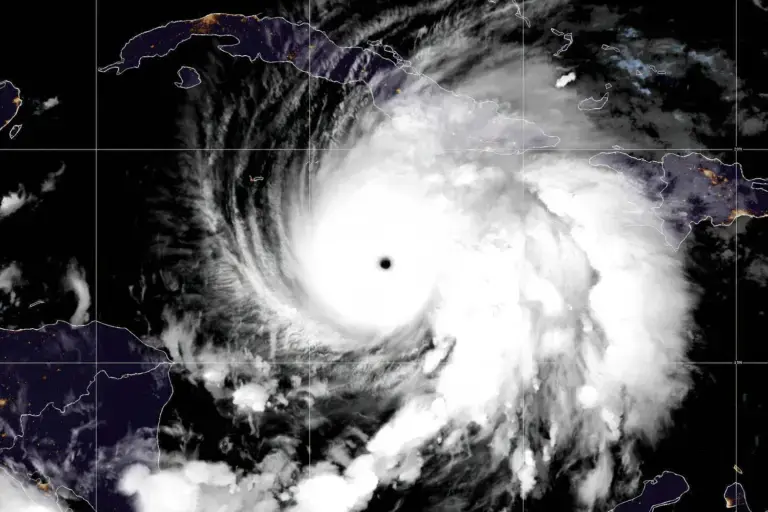
The Caribbean is facing one of its worst natural disasters in decades after Hurricane Melissa tore through Jamaica, Cuba, and the Bahamas, leaving a trail of death, flooding, and devastation. Once a Category 5 hurricane, Melissa made landfall in Jamaica earlier this week with record-breaking winds before battering eastern Cuba and the Bahamas.
Authorities across the region are now working to restore critical infrastructure, reopen airports, and deliver emergency aid to thousands of displaced residents.
Jamaica: Severe Damage, Power Outages, and Humanitarian Need
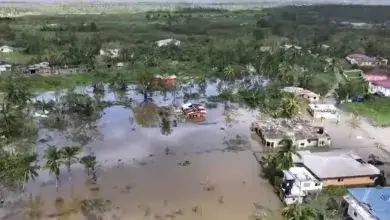
Jamaica bore the brunt of the storm’s initial impact when Melissa slammed into the island as a Category 5 hurricane — one of the strongest ever recorded in the Atlantic. Winds exceeding 185 mph destroyed homes, uprooted trees, and left entire communities submerged.
Prime Minister Andrew Holness conducted an aerial assessment of the damage in St. Elizabeth Parish, describing the scenes as “heartbreaking” and promising swift recovery efforts. “Our country has been ravaged, but we will rebuild — stronger than before,” he said.
The Ministry of Health has issued an urgent call for blood donations, reporting that national supplies are at critical levels as hospitals struggle to treat injuries and conduct surgeries. Chief Medical Officer Dr. Jacquiline Bisasor-McKenzie urged all eligible Jamaicans to donate, saying that “every unit counts during this emergency.”
In Montego Bay, Mayor Richard Vernon said damage to infrastructure was “extensive,” with widespread flooding and power outages crippling the city. “We have a lot of work to do in the coming weeks,” he said, noting that major utilities remain offline.
UNICEF estimated that 250,000 children have been affected by the hurricane, many of whom now face shortages of clean water, food, and shelter. Relief agencies are calling for urgent international support as airports gradually reopen to allow aid flights into the country.
Cuba: Thousands Evacuated Amid Torrential Flooding
After ravaging Jamaica, Hurricane Melissa struck eastern Cuba as a Category 3 storm, making landfall near the city of Chivirico in Santiago de Cuba Province. Over 700,000 people were evacuated ahead of the hurricane’s arrival, according to Cuban President Miguel Díaz-Canel Bermúdez.
Scenes from Santiago de Cuba showed streets turned into rivers, with residents wading through waist-deep water and rescuers carrying stranded families to safety. Landslides and power outages have further complicated rescue operations, while telecommunications remain severely disrupted.
Cuba’s Foreign Minister Bruno Rodríguez told the United Nations that the country is “facing the hurricane’s aftermath with virtually no resources,” calling for global solidarity and humanitarian assistance.
Bahamas: Dangerous Storm Surge and Widespread Flooding
The Bahamas faced punishing winds and torrential rain as Melissa moved north through the central and southeastern islands. Officials reported storm surges up to eight feet and rainfall totals exceeding 10 inches, triggering flash floods and forcing thousands into shelters.
Aaron Sargent, managing director of the Bahamas Disaster Risk Management Authority, called the operation “the most extensive pre-emptive evacuation in recent history,” with more than 1,300 residents safely relocated before the storm.
The National Hurricane Center (NHC) warned that dangerous flooding would continue through the night, even as Melissa weakened to a Category 1 hurricane with sustained winds of 90 mph. The storm is forecast to pass near Bermuda before gradually dissipating over the North Atlantic.
Global and International Response
The United Nations regional coordinator for Jamaica, Dennis Zulu, said early assessments show “unprecedented damage across the entire country,” affecting nearly one million people. The UN is coordinating with Caribbean governments to provide emergency supplies, assess shelter needs, and support recovery planning.
In the United States, the State Department announced the deployment of a Disaster Assistance Response Team (DART) and Urban Search and Rescue units to assist affected Caribbean nations. However, the U.S. response was reportedly delayed due to the recent government shutdown and the dismantling of the USAID agency, which previously managed foreign disaster relief.
Britain’s King Charles III and Pope Leo both expressed condolences to the people of Jamaica and the wider Caribbean. King Charles said he was “deeply saddened” by the destruction, praising the region’s “spirit of strength and solidarity.” The Pope called for compassion and urgent humanitarian support for those displaced by the disaster.
Climate Scientists: Melissa a Product of a Warming Planet
Researchers from the Grantham Institute at Imperial College London reported that climate change increased Hurricane Melissa’s wind strength by about 7%, making the storm nearly four times more likely than it would have been in pre-industrial conditions.
“This storm is a stark example of how man-made climate change fuels stronger and more destructive hurricanes,” said Professor Ralf Toumi, the institute’s director.
The study noted that Hurricane Melissa was an “extremely rare event,” now expected once every 1,700 years in today’s warmer climate — compared to once every 8,000 years before global warming.
A Region Begins to Rebuild
As cleanup and recovery continue, thousands remain displaced, and entire communities are without power or clean water. Relief flights have resumed at Norman Manley International Airport in Kingston and Sangster International Airport in Montego Bay, allowing aid to begin flowing in.
Despite the destruction, many across the Caribbean have expressed resilience and hope. Sarah Hsia, director of The American Friends of Jamaica, said, “It’s complete devastation, but we are resilient people. I have no doubt we’ll pull together and rebuild.”